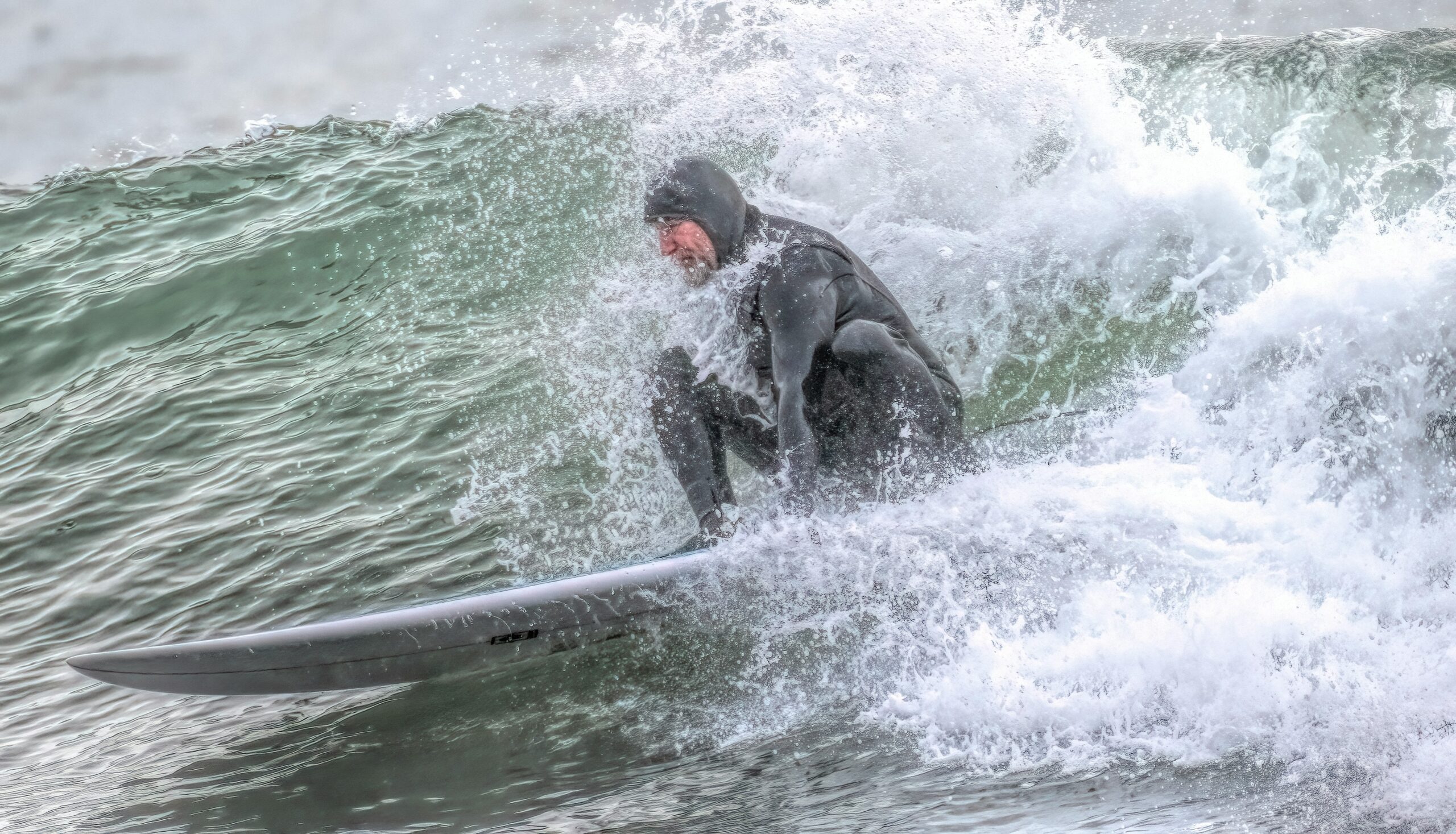
Surfing is a thrilling experience, no matter the conditions. However, in extreme weather, the thrill can quickly become dangerous. From high winds to fierce storms, extreme weather conditions pose unique challenges to surfers. Yet many surfers are drawn to tackling these conditions head-on. Whether you’re an experienced surfer or a beginner looking to push your limits, it’s essential to understand how to navigate extreme weather safely.
When the weather turns intense, your priority should always be safety. Surfing in challenging conditions requires proper preparation, knowledge of the ocean, and a deep respect for nature. Extreme weather can bring powerful waves and unpredictable tidal shifts, which can be intimidating. But with the right approach, you can still enjoy the adventure while minimizing risks.
Understanding the Impact of Extreme Weather
Extreme weather can range from intense winds and heavy rain to hurricanes and thunderstorms. Each of these conditions presents unique challenges for surfers. Strong winds can make it difficult to maintain control of your board, while heavy rain can reduce visibility, making it harder to navigate the surf. Hurricanes, on the other hand, bring massive swells that can be both exhilarating and dangerous for even the most skilled surfers.
The ocean behaves differently when the weather turns for the worse. Waves become more powerful, and currents can shift unpredictably. Understanding these changes is essential for making sound decisions about whether it’s safe to surf. Additionally, the weather can change rapidly, so it’s crucial to stay alert and ready to adapt.
Gear Up for Success in Harsh Conditions
When surfing in extreme weather, your gear is your best ally. It’s essential to choose the right equipment that can withstand harsh conditions. A thicker wetsuit is a must if the water temperature drops due to rain or wind. Opting for a suit that provides extra insulation will keep you warm and prevent hypothermia during longer sessions. A hood or gloves can also help protect against the chill, especially in windy conditions.
Your surfboard is another important piece of equipment to consider. A sturdy, well-maintained board is essential for handling powerful waves and strong currents. In extreme weather, a board that is too small may struggle to stay afloat in larger swells. Additionally, ensure your leash is secure and in good condition. A snapped leash in turbulent waters can create dangerous situations, especially when waves are intense.
Assessing the Weather Conditions
Before heading out to surf in extreme weather, it’s crucial to assess the conditions. Check the weather forecast for storms, winds, and temperature fluctuations. Pay close attention to surf reports, which will provide insight into wave heights, wind speeds, and current conditions. Remember, just because the surf looks inviting doesn’t mean it’s safe. Surfers should always be prepared for rapid changes in the weather.
Understanding the signs of changing weather is just as important as checking the forecast. For instance, a shift in wind direction or a sudden drop in temperature can signal an approaching storm. By recognizing these subtle changes, you can avoid dangerous situations. If the conditions seem too extreme, it’s always better to postpone your session and wait for safer weather.
Staying Safe During Your Session
Safety is the top priority when surfing in extreme weather. With strong winds and powerful waves, accidents can happen quickly. To minimize risk, stay within your skill level. If you’re not experienced with large waves or strong currents, it’s best to avoid those conditions. Surfing in extreme weather requires not only the right equipment but also the ability to recognize your limits.
One of the most important safety tips is never to surf alone in extreme conditions. The buddy system is essential. Having someone by your side ensures that help is available if needed. Additionally, always make sure someone on land knows your plans. Check in with them before heading into the water, and let them know when you plan to return. This way, if something goes wrong, help can arrive quickly.
Recognizing Dangerous Ocean Conditions
Extreme weather often leads to hazardous ocean conditions. Large swells, rip currents, and sudden drops in water temperature pose risks. Understanding how to spot these hazards can help you make informed decisions. Rip currents, in particular, are a common risk in rough weather. These strong currents can pull surfers away from the shore, and if you’re not careful, you can be dragged out into deeper waters.
When you notice large swells forming, it’s important to gauge your ability to handle them. Don’t let excitement cloud your judgment. If the waves are breaking too hard or too close to shore, it may be better to wait for a more suitable time to surf. It’s also crucial to watch for any storm clouds in the distance. Storms can bring sudden changes in water conditions, so monitor the sky throughout your session.
The Importance of Fitness and Stamina
Surfing in extreme weather requires greater fitness and stamina. The ocean is unforgiving, especially when the weather is challenging. The power of the waves can quickly drain your energy, so it’s important to be in good physical shape. A strong core and cardiovascular fitness will help you paddle faster, recover more quickly, and stay in control of your board.
Well-conditioned surfers can better handle the physical demands of extreme weather. Not only will you be able to endure longer sessions, but you will also have the strength and focus needed to respond to any unexpected changes in conditions. The ability to conserve energy and pace yourself during a session is essential when facing the physical demands of powerful waves and strong winds.
Know When to Call It a Day
One of the most important skills in extreme surfing is knowing when to call it a day. No matter how much you love the sport, there’s no shame in recognizing that conditions are too dangerous. If the weather worsens or you begin to feel fatigued, it’s time to exit the water. Pushing through exhaustion or ignoring safety concerns can lead to accidents.
It’s important to listen to your body and trust your instincts. If you’re feeling uneasy or your energy is depleted, it’s time to leave the surf. Additionally, monitor the weather and be prepared to exit if conditions change rapidly. In extreme weather, the ocean can shift from manageable to dangerous within minutes. Staying aware of these shifts will keep you safe and ensure you can continue surfing.